New York and Washington School Trip for UK Students
New York and Washington offer UK students a structured six day programme linked to history, politics, immigration, and cultural studies. Visits include the 9 11 Memorial, Holocaust Museum, Statue of Liberty, Capitol Hill, Arlington National Cemetery, Smithsonian museums, and key memorials.
A New York and Washington school trip offers UK students a structured and curriculum aligned journey through American history, politics, and cultural development. New York introduces themes of immigration, modern conflict, and urban growth. Washington provides direct access to political institutions, national memorials, and sites connected to government and citizenship.
This itinerary supports GCSE, AS Level, and A Level learning with clear educational outcomes. Students gain knowledge through guided visits, museum collections, and first hand observation of significant landmarks.
Educational Tours to New York and Washington
A combined educational tour to New York and Washington allows students to explore two influential cities within one programme. New York supports topics linked to immigration, modern history, and social change. Washington supports political studies, national leadership, and formal commemoration.
Students benefit from:
Evidence based learning
High quality museum content
Real world political context
Primary sources
Structured study support
These cities help students understand the development of the United States and its influence on global events.
US History School Trip Itinerary
The following six day itinerary provides a balanced and academically focused journey. It includes guided visits, museum admissions, and structured learning time.
Day 1: Arrival in New York
Students fly from the United Kingdom and travel to their accommodation. A visit to Times Square introduces them to modern media, communication patterns, and urban identity. The location supports topics on global advertising and public engagement.
Day 2: Holocaust Museum, 9 11 Memorial Museum, Top of the Rock
Holocaust Museum: The Museum of Jewish Heritage presents evidence that supports Holocaust studies and human rights units. Students examine documents, photographs, testimony, and personal objects linked to the rise of the Nazi regime and the creation of Auschwitz. The exhibitions reinforce lessons on discrimination, persecution, and ethical responsibility.
9 11 Memorial and Museum: Students follow a clear timeline of the events of 11 September. They observe preserved artefacts, recorded messages, and structural remains. Teachers link this visit to modern conflict, terrorism studies, and international relations. The memorial pools provide space for reflection.
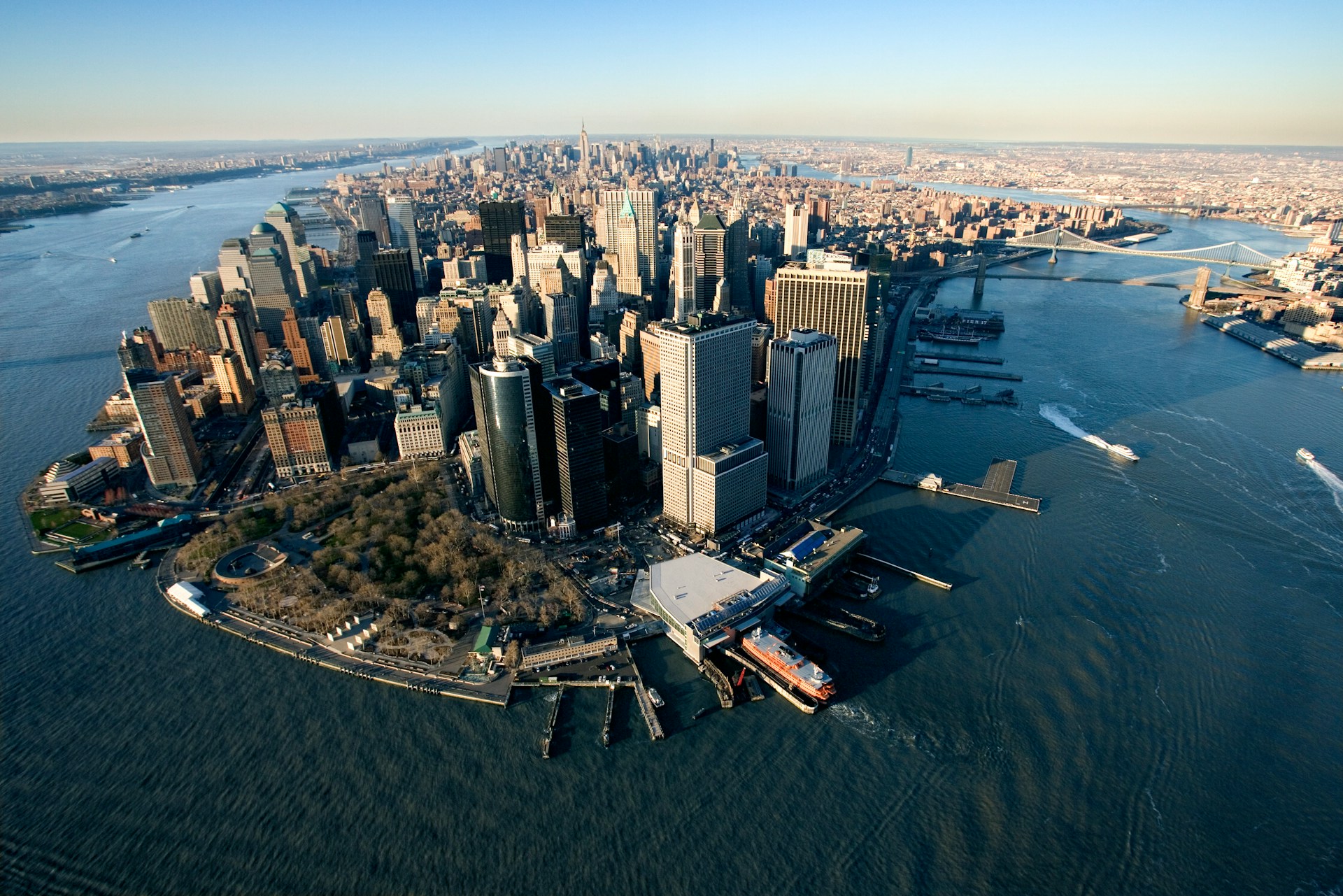
Top of the Rock: Students view Manhattan from above and observe city structure, population density, and zoning. This supports geography and urban planning studies.
Day 3: Statue of Liberty, Ellis Island, Transfer to Washington
Statue of Liberty and Ellis Island: Students learn about immigration history and national symbolism. Ellis Island presents passenger records, inspection rooms, and interviews. This supports lessons on migration, cultural development, and identity.
The group transfers to Washington in the afternoon.
Day 4: White House Visitor Centre, Capitol Hill, National Mall, Smithsonian Museums
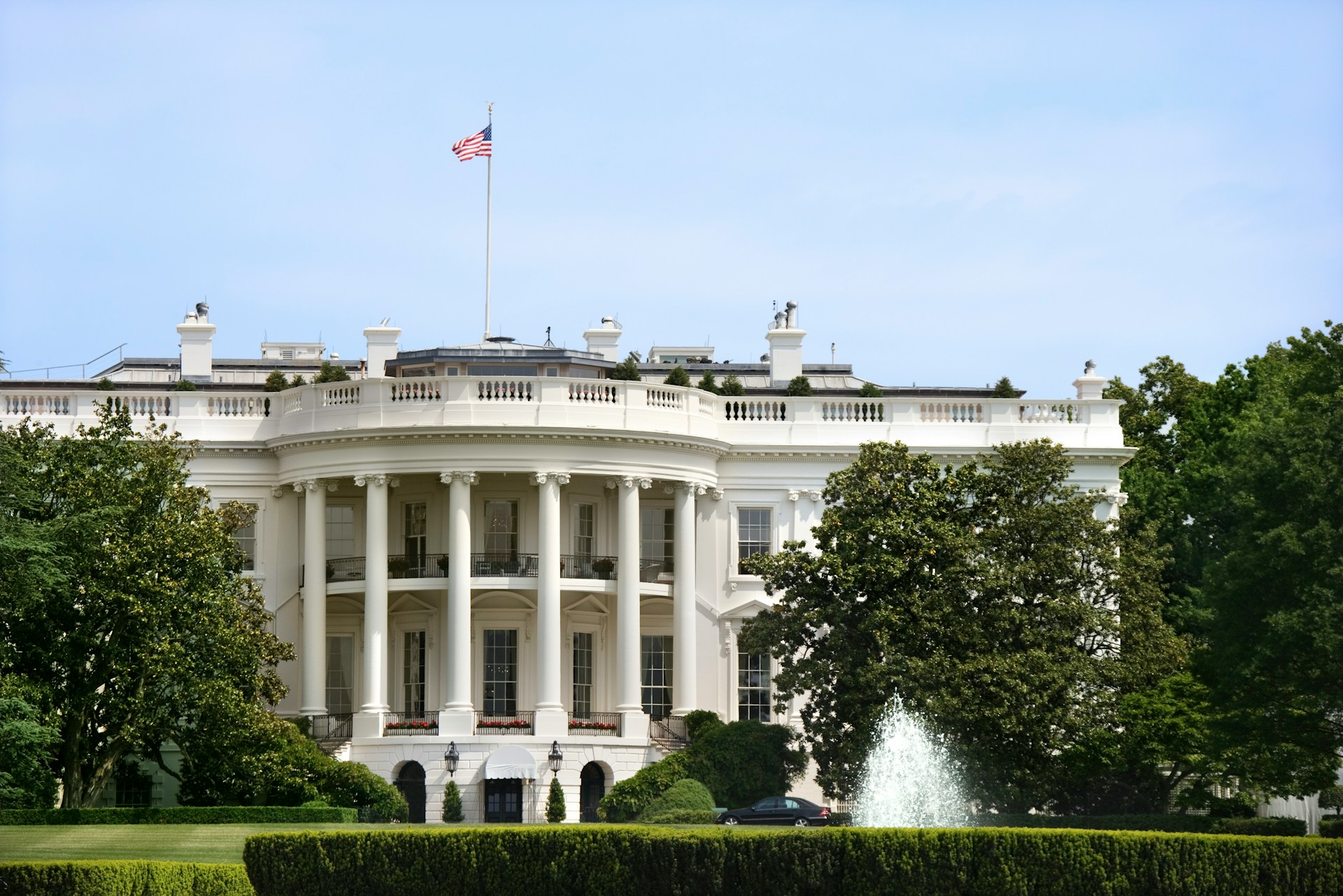
White House Visitor Centre: Students examine artefacts and displays that explain the responsibilities of the presidency. They learn about executive roles, leadership, and decision making.
Capitol Hill: Students view the United States Capitol and learn how federal laws form. Teachers link this visit to political studies and citizenship.
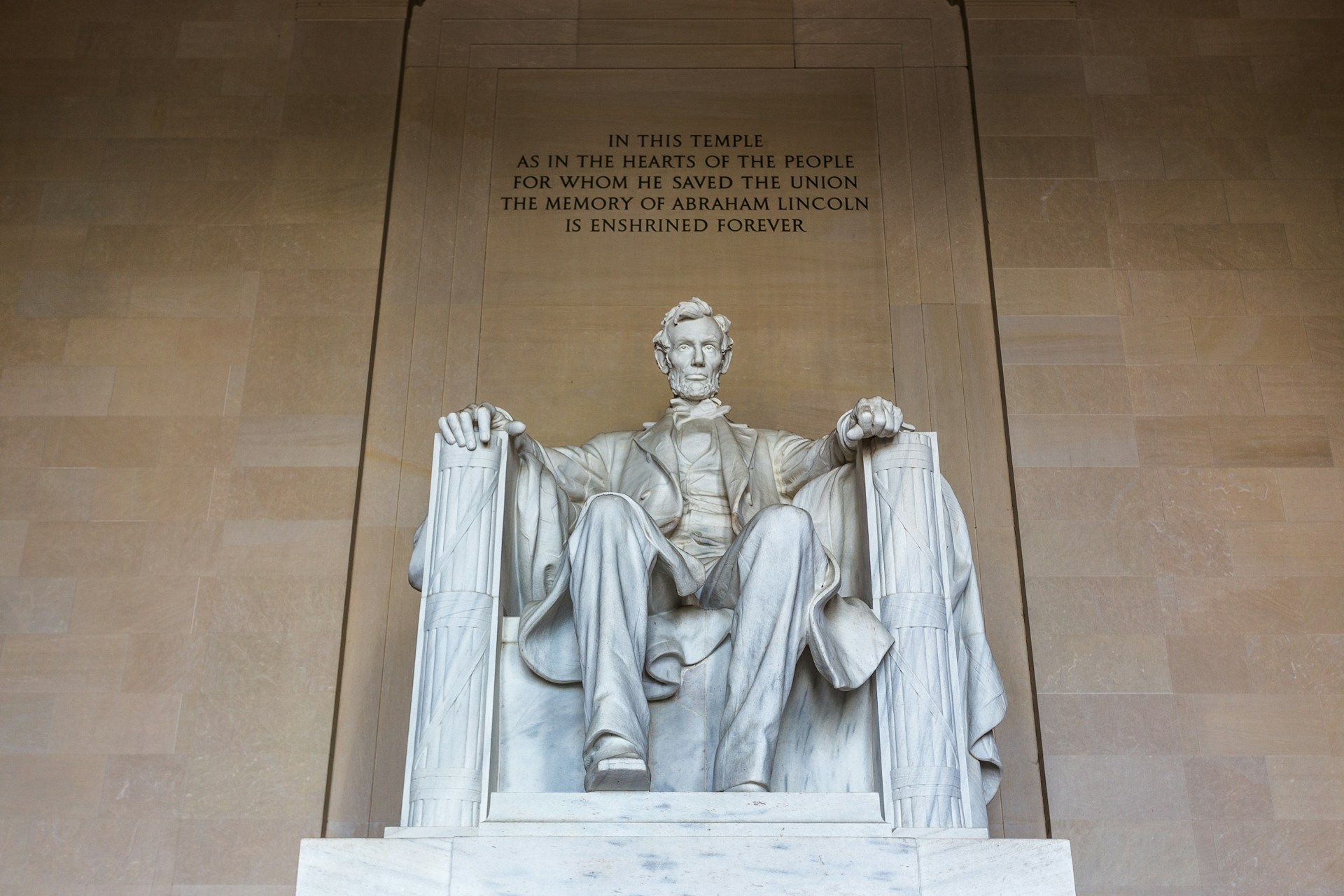
National Mall Memorials: Visits include the Lincoln Memorial, Reflecting Pool, World War Two Memorial, Washington Monument, and Vietnam Veterans Memorial. These sites support lessons on conflict, leadership, remembrance, and national identity.
Smithsonian Museums: Students explore science, aviation, natural history, and military development. These exhibitions support cross curricular learning.
Day 5: Arlington National Cemetery and Departure
Arlington National Cemetery: Students walk through sections that contain graves from major conflicts. They visit the Tomb of the Unknown Soldier and observe the Changing of the Guard. The visit supports commemoration studies and conflict analysis.
The group departs Washington for the airport.
Day 6: Return to the UK
Students arrive home with strengthened knowledge across multiple subjects and a deeper understanding of American history and politics.
Key Sites in New York for School Groups
Museum of Jewish Heritage
The Museum of Jewish Heritage presents verified historical evidence that supports Holocaust studies and human rights units. Students examine primary sources that explain the rise of the Nazi regime and the experiences of Jewish communities across Europe. Exhibitions include photographs, letters, survivor testimony, recorded interviews, and personal objects recovered from camps. These materials help students understand the consequences of discrimination, propaganda, and state control. The museum explains the structure of persecution, the development of Auschwitz, and the long term impact of genocide on families and communities. Teachers use this visit to reinforce lessons about human rights, ethical responsibility, and the need for historical accuracy. The museum provides quiet spaces for reflection. Students gain a serious understanding of why remembrance remains important in modern society.
9 11 Memorial and Museum
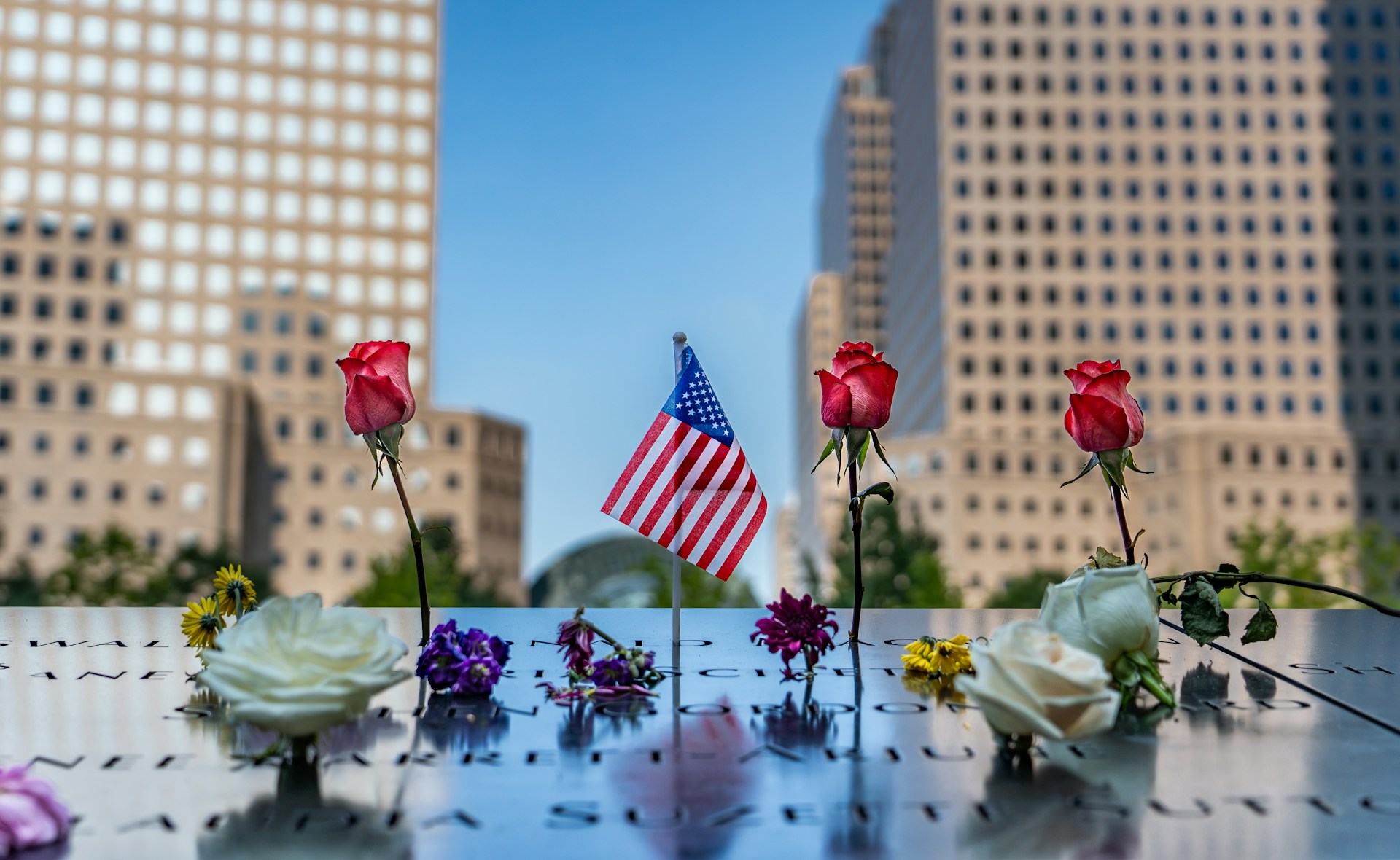
The 9 11 Memorial and Museum presents detailed evidence from the 2001 terrorist attacks. Students study structural remains, damaged materials, recorded messages, emergency responder accounts, and preserved artefacts. They follow a clear timeline that explains how events unfolded on the morning of 11 September. The museum presents stories of individuals who were inside the towers, nearby workers, and emergency personnel. Students understand how the attacks affected international security, foreign policy, and global cooperation. Teachers link this visit to units on terrorism studies, modern conflict, and world politics. The memorial pools, located within the footprints of the original towers, provide a space for reflection. Students read the engraved names and understand the scale of the event on a personal level.
H3. Statue of Liberty and Ellis Island
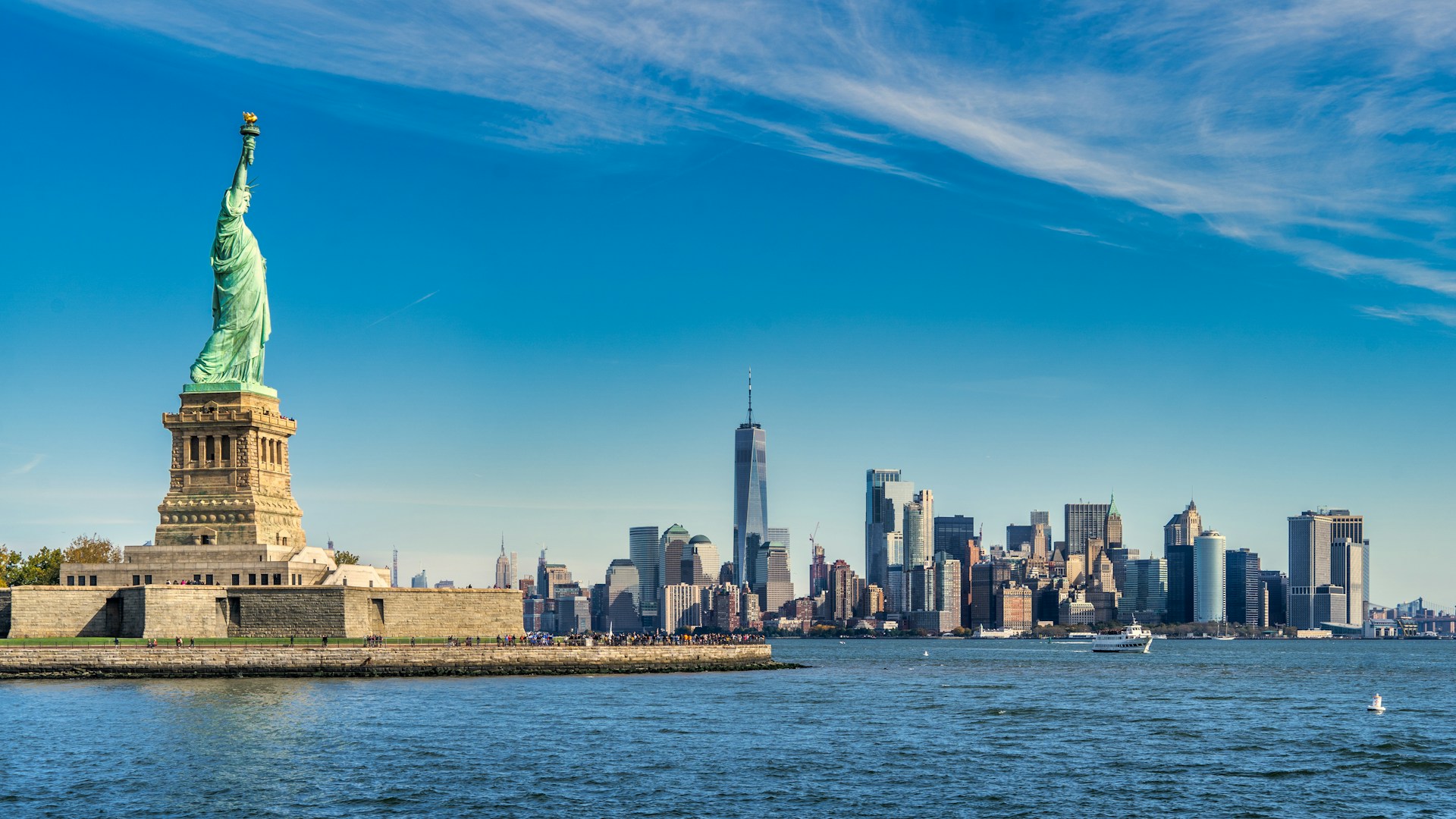
The Statue of Liberty and Ellis Island present a complete overview of immigration to the United States. Students learn about national symbolism, cultural identity, and the role of international partnerships in the statue’s creation. Ellis Island provides detailed immigration records, passenger lists, photographs, and reconstructed inspection rooms. Students follow the route taken by millions of immigrants who arrived between 1892 and 1954. Exhibitions explain health checks, documentation, and entry processes. This visit supports social history, migration studies, and citizenship. Students understand why families left their home countries, how they adapted, and how immigration shaped modern American society. Teachers use these materials to connect migration history to contemporary discussions on identity and multiculturalism.
H3. Times Square
Times Square supports media and communication topics. Students observe large scale advertising, digital screens, public messaging, and the structure of commercial communication. The location highlights:
Branding
Tourism impact
Global media networks
Entertainment industries
Public behaviour in urban spaces
Teachers use Times Square to discuss the influence of modern media and the role of public spaces in shaping identity. Students also observe crowd patterns, signage, and multilingual communication. This helps them understand how cities function as cultural and commercial centres.
Top of the Rock
Top of the Rock supports geography and urban development studies. Students view Manhattan from above and observe:
Grid based city planning
Zoning
Population density
Spatial organisation
Landmark distribution
The observatory offers a clear perspective of Central Park and Midtown. Teachers use this visit to discuss how cities grow, how planning decisions shape movement, and how geography influences economic activity. The experience helps students understand contrasts between green spaces and high density districts.
Tenement Museum
The Tenement Museum presents accurate accounts of working class life in New York from the nineteenth century to the early twenty first century. Students visit restored apartments and examine the living conditions of families from more than twenty countries. Exhibitions include:
Family stories
Diaries
Household objects
Immigration narratives
Interviews with descendants
The museum supports cultural development studies and social history. Students understand how communities adapted to new environments, how labour shaped neighbourhoods, and how economic conditions influenced daily life. Teachers use this visit to demonstrate how individual families contributed to urban growth.
Essential Visits in Washington DC
Arlington National Cemetery
Arlington National Cemetery supports commemoration studies and conflict analysis. Students examine graves from major American conflicts, including the Civil War, World Wars, Korea, Vietnam, Iraq, and Afghanistan. Key locations include:
Teachers use this site to explain national memory, military service, and the symbolic importance of commemoration. Students observe the Changing of the Guard and understand the discipline and respect associated with this role. The cemetery provides strong examples for lessons on conflict, sacrifice, and national identity.
White House Visitor Centre
The White House Visitor Centre supports political studies and executive structure. Students examine more than one hundred artefacts, photographs, and interactive displays that explain the responsibilities of the presidency. The centre explains:
The role of the executive branch
Daily decision making
Diplomatic duties
Public communication
Historical changes in presidential leadership
Students explore a touchscreen tour and view a short film titled White House: Reflections From Within. Teachers link this visit to government and politics courses and topics on leadership and constitutional structure.
Smithsonian Museums
The Smithsonian Institution supports science, geography, aviation, and military studies. Students visit museums that present accurate collections linked to national history, natural sciences, and technological development.
Key museums include:
National Museum of Natural History
Supports:
Biodiversity
Evolution
Earth science
Environmental systems
National Air and Space Museum Supports:
Aviation history
Flight technology
Space exploration
Military aircraft development
These museums offer detailed exhibitions with models, interactive stations, preserved aircraft, and scientific specimens. Teachers use these resources to support factual learning and encourage subject based curiosity.
Accommodation for School Groups
Schools stay in safe, well located accommodation in New York and Washington. Options include school friendly hostels and two or three star hotels. Rooms are arranged to support supervision, and properties include secure reception, simple dining options, and group facilities.
What Your School Trip Includes
Schools receive:
Return flights from the UK
Airport transfers and local transport
Coach travel between New York and Washington
Four nights accommodation
Bed and breakfast, half board, or full board
Museum entry
English speaking guides
dedicated tour manager
Twenty four hour assistance
This package allows teachers to focus on learning outcomes while Rondo Travel manages the logistics.
Frequently Asked Questions About the New York & Washington School Trip
What do students learn on a New York and Washington school trip
Ans: Students study US history, politics, immigration, civil rights, and modern world events through museum visits, guided tours, and curriculum focused activities.
What is included in a New York and Washington school trip
Ans: Return flights, accommodation, local transport, guided visits, a tour manager, museum entry, and twenty four hour assistance.
Why take students to Washington DC
Ans: Washington provides direct links to politics, government, memorials, and citizenship studies. It supports GCSE, A Level, and AS Level learning.
Is the 9 11 Memorial appropriate for school groups
Ans: The memorial and museum present structured educational content, guided exhibits, and resources designed for teachers and students.
How long is a New York and Washington school trip
Ans: Most itineraries run for six days with four nights of accommodation and visits in both cities.
A New York and Washington school trip gives students direct access to significant historical and political sites. The itinerary strengthens curriculum outcomes through structured visits, verified evidence, and guided learning. Teachers receive full support from Rondo Travel, including planning, logistics, and academic alignment. Contact Rondo Travel to prepare your next educational tour and provide students with a programme that strengthens both subject knowledge and long term understanding.